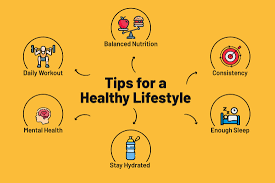
Maintaining good health is one of the most important goals for individuals in today’s fast-paced world. With increasing stress levels, sedentary lifestyles, and easy access to processed foods, prioritizing health has become more essential than ever. This comprehensive guide on Health Tips will help you understand the key aspects of physical, mental, and emotional well-being while incorporating expert-backed strategies and insights from trusted organizations such as World Health Organization and Centers for Disease Control and Prevention.
Understanding the Importance of Health
Health is not just about avoiding illness; it is about achieving a state of complete physical, mental, and social well-being. According to the World Health Organization, a healthy lifestyle can prevent chronic diseases such as Diabetes, Heart Disease, and Hypertension. By adopting simple daily habits, individuals can significantly improve their quality of life.
Nutrition: The Foundation of Good Health
One of the most essential health tips is maintaining a balanced diet. Nutrition plays a vital role in supporting bodily functions, boosting immunity, and preventing diseases. Diets rich in fruits, vegetables, lean proteins, and whole grains are recommended by organizations like the Harvard T.H. Chan School of Public Health.
A balanced diet should include:
- Fresh fruits such as Apples and Bananas
- Vegetables like Spinach and Broccoli
- Whole grains such as Brown Rice and Oats
- Protein sources including Chicken, Fish, and legumes
Reducing processed food intake and limiting sugar consumption can help prevent obesity and related diseases. Drinking adequate water daily is equally important for maintaining hydration and supporting metabolism.
Exercise Regularly for Physical Fitness
Regular physical activity is a cornerstone of good health. Engaging in exercises such as Running, Swimming, and Yoga helps improve cardiovascular health, build muscle strength, and enhance flexibility.
The American Heart Association recommends at least 150 minutes of moderate-intensity exercise per week. Physical activity not only helps maintain weight but also reduces the risk of chronic conditions like Obesity and Stroke.
Mental Health and Emotional Well-Being
Mental health is just as important as physical health. Conditions such as Depression and Anxiety Disorder are increasingly common in modern society. Practicing mindfulness techniques like Meditation can help reduce stress and improve emotional balance.
Spending time with loved ones, pursuing hobbies, and seeking professional help when needed are essential for maintaining mental well-being. Organizations like the National Institute of Mental Health provide valuable resources and guidance for mental health care.
Importance of Sleep for Overall Health
Adequate sleep is a crucial component of a healthy lifestyle. Lack of sleep can lead to fatigue, poor concentration, and increased risk of diseases such as Insomnia. Adults should aim for 7–9 hours of quality sleep each night.
Improving sleep habits includes:
- Maintaining a consistent sleep schedule
- Avoiding screens before bedtime
- Creating a comfortable sleep environment
Good sleep hygiene supports cognitive function, boosts immunity, and enhances overall well-being.
Preventive Healthcare and Regular Checkups
Preventive healthcare is key to early detection and management of health conditions. Regular checkups, vaccinations, and screenings can help identify issues before they become serious. Vaccines for diseases like COVID-19 have proven effective in reducing the spread and severity of illness.
Health experts recommend routine screenings for blood pressure, cholesterol levels, and blood sugar. Consulting healthcare providers regularly ensures timely medical intervention and better health outcomes.
Hydration and Its Role in Health
Water is essential for nearly every function in the body. Staying hydrated helps regulate body temperature, transport nutrients, and eliminate waste. Dehydration can lead to fatigue, headaches, and impaired physical performance.
Drinking at least 8 glasses of water per day is a commonly recommended guideline, although individual needs may vary based on activity level and climate.
Avoiding Harmful Habits
Eliminating harmful habits is a vital part of maintaining good health. Smoking, excessive alcohol consumption, and drug use can have severe health consequences. Smoking, in particular, is a leading cause of Lung Cancer and respiratory diseases.
Organizations like the American Lung Association emphasize the importance of quitting smoking and adopting healthier lifestyle choices. Reducing alcohol intake and avoiding substance abuse contribute significantly to long-term health.
Building a Strong Immune System
A strong immune system helps the body fight infections and diseases. Consuming nutrient-rich foods, exercising regularly, and getting adequate sleep are key factors in boosting immunity.
Vitamins and minerals such as vitamin C, vitamin D, and zinc play an important role in immune function. Natural sources include citrus fruits, sunlight exposure, and nuts.
Healthy Weight Management
Maintaining a healthy weight is essential for reducing the risk of chronic diseases. Obesity is linked to conditions such as Type 2 Diabetes and Cardiovascular Disease.
Effective weight management strategies include:
- Balanced diet
- Regular physical activity
- Monitoring calorie intake
Avoiding crash diets and focusing on sustainable lifestyle changes leads to better long-term results.
The Role of Technology in Health
Technology has revolutionized healthcare and personal wellness. Mobile apps like MyFitnessPal and Fitbit help individuals monitor their diet, exercise, and sleep patterns.
Wearable devices provide real-time data, enabling users to make informed health decisions. Telemedicine services have also made healthcare more accessible, allowing patients to consult doctors remotely.
Hygiene and Disease Prevention
Maintaining proper hygiene is essential for preventing infections. Regular handwashing, sanitizing surfaces, and practicing good personal hygiene reduce the spread of diseases.
The World Health Organization recommends washing hands with soap for at least 20 seconds to effectively eliminate germs. Simple hygiene practices can significantly reduce the risk of illnesses.
Social Connections and Health
Strong social connections contribute to better mental and physical health. Studies show that individuals with supportive relationships experience lower stress levels and improved overall well-being.
Engaging in community activities, maintaining friendships, and staying connected with family members are important aspects of a healthy lifestyle.
Conclusion: A Holistic Approach to Health
Achieving optimal health requires a holistic approach that encompasses physical, mental, and emotional well-being. By following these health tips, individuals can lead healthier and more fulfilling lives. Incorporating balanced nutrition, regular exercise, adequate sleep, and preventive healthcare practices can significantly improve quality of life.
Trusted organizations like the Centers for Disease Control and Prevention and the World Health Organization continue to emphasize the importance of healthy living. By making informed choices and adopting positive habits, anyone can take control of their health and build a better future.
Leave a Reply