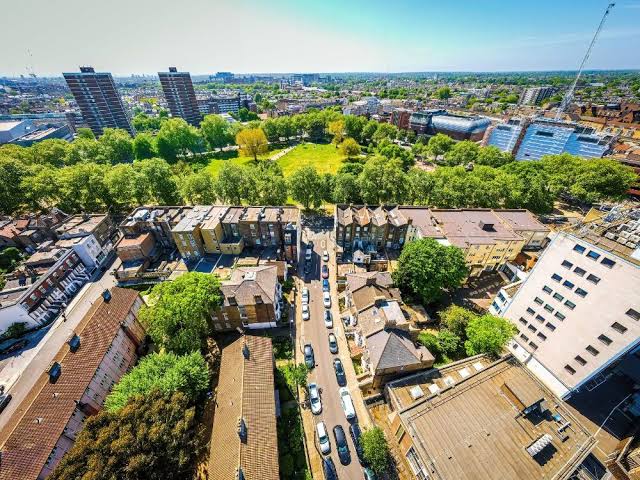
This question comes up in almost every buyer conversation we have in Shepherd’s Bush, and it’s usually framed the same way — someone’s torn between a Victorian conversion with character but a few maintenance headaches, or a shiny new flat near White City with none of the hassle but a price tag that feels steep for what you actually get. Reliable estate agents in Shepherd’s Bush for buyers hear this dilemma constantly, and the honest answer is that period properties tend to win on long-term growth, even though modern builds win on other things entirely.
The Short Version
Period homes generally see stronger capital growth over time in this area. Modern developments tend to offer better rental yields and lower day-to-day hassle, but their price growth is usually slower, and sometimes flat, once the initial new-build shine wears off. Neither is wrong exactly. They’re just built for different goals.
Why Period Properties Keep Climbing
The simplest explanation is scarcity. Shepherd’s Bush has some genuinely lovely streets of Victorian and Edwardian terraces, and there’s a hard limit on how many of those exist. Nobody is building more of them. Meanwhile, new blocks keep going up around White City and the wider regeneration zones, adding more modern stock to the market every year. When supply of one type stays fixed and supply of the other keeps growing, it’s not surprising which one holds its value better over time.
There’s also the ownership structure to think about. A lot of period conversions come with share of freehold or long leases, and ground rent is often minimal or non-existent. That keeps ongoing costs manageable and makes these properties genuinely attractive to a wide pool of buyers, which supports demand and, in turn, price growth.
The Service Charge Problem with Modern Blocks
This is something buyers usually ask about once they’ve seen a few new developments and started comparing the numbers properly. Modern buildings often come with concierge services, gyms, communal lifts and other amenities, and someone has to pay for all of that upkeep. Service charges can climb fast, and they’re not capped in the way some buyers expect. A flat that looked competitively priced at purchase can start to feel expensive a few years in once the annual charges are added up, and that puts off future buyers, which slows resale growth.
Period conversions tend to avoid this. Charges are usually informal, agreed between a small number of flat owners, and stay lower as a result. Less overhead generally means a wider pool of interested buyers down the line.
The New-Build Premium Fades Fast
Buying brand new is a bit like buying a new car. The moment it’s no longer the newest thing on the market, some of that premium disappears. You’ve paid extra for pristine finishes, modern appliances and a builder’s warranty, and all of that is genuinely worth something at the point of purchase. But once your flat becomes a few years old and a newer phase of the same development launches nearby, buyers naturally gravitate towards the newest option, and your property’s growth can stall while it competes with fresher stock just down the road.
Where Modern Builds Actually Come Out Ahead
None of this means modern property is a poor choice — it depends on what you’re optimising for. Rental yields tend to be stronger on modern flats, particularly for landlords targeting young professionals or corporate tenants who are often happy to pay more for amenities and a hassle-free building. Energy efficiency is another clear win. Double glazing and proper insulation keep bills down significantly compared with an older property that might need expensive retrofitting to get anywhere close.
Then there’s convenience. Owning a period property means staying on top of roofs, brickwork, and damp, which takes time, money, and a bit of patience. A modern flat is largely hands-off by comparison, which suits buyers who’d rather not deal with maintenance at all.
Where To Look Depending on Your Goal
If capital growth is the priority, it’s worth focusing on the tree-lined streets around Coningham Road, the edges of Brackenbury Village, and the roads near Wendell Park. These areas have the traditional charm and family appeal that keeps demand steady and pushes prices upward over time.
If you’re after strong rental income and don’t want the maintenance burden, the regeneration areas around White City and the old Television Centre site are worth a closer look. Growth may be slower here, but the transport links and proximity to Westfield make these flats easy to rent out and easy to sell on again when the time comes.